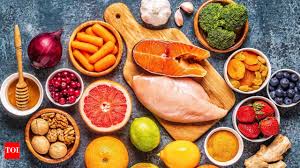
Foods That Can Help Reduce Stress Naturally
- Stress affects more than your mood. It impacts sleep, digestion, energy levels, and focus. While food cannot remove the source of stress, the right nutrients can help your body respond to it more calmly.
- When you are stressed, your body releases cortisol and adrenaline. A balanced diet helps regulate these stress hormones and supports the nervous system.
- Here are foods that can help reduce stress and why they work.
- 1. Fatty Fish
- Fatty fish such as salmon, sardines, and mackerel are rich in omega-3 fatty acids. Omega-3s support brain function and help reduce inflammation linked to chronic stress.
- Regular intake of omega-3s has been associated with improved mood stability and lower anxiety levels. Aim for two servings per week.
- If fish is not an option, walnuts and flaxseeds also contain plant-based omega-3s.
- 2. Leafy Green Vegetables
- Spinach, kale, and Swiss chard are high in magnesium. Magnesium helps regulate cortisol and supports muscle relaxation.
- Low magnesium levels are often linked to increased anxiety and tension. Adding a serving of leafy greens daily can support stress management over time.
- For example, a simple spinach salad or sautéed greens with dinner can make a difference.
- 3. Whole Grains
- Whole grains like oats, brown rice, and quinoa help stabilize blood sugar. When blood sugar spikes and crashes, mood swings and irritability increase.
- Complex carbohydrates also help the brain produce serotonin, a neurotransmitter that promotes calmness and wellbeing.
- A bowl of oatmeal in the morning provides steady energy and can help prevent stress-related fatigue.
- 4. Nuts and Seeds
- Almonds, pumpkin seeds, sunflower seeds, and cashews are rich in magnesium, zinc, and healthy fats. Zinc plays a role in regulating the stress response.
- A small handful of mixed nuts as a snack can help maintain steady energy and reduce cravings for sugary comfort foods.
- 5. Dark Chocolate
- Dark chocolate with at least 70% cocoa contains antioxidants that help reduce inflammation and may lower stress hormones.
- It also stimulates the release of endorphins and serotonin. The key is moderation. One or two small squares are enough.
- 6. Yogurt and Fermented Foods
- The gut and brain are closely connected. Foods like yogurt, kefir, kimchi, and sauerkraut contain probiotics that support gut health.
- A balanced gut microbiome has been linked to improved mood and reduced anxiety symptoms. Including fermented foods regularly can support emotional balance.
- 7. Berries
- Blueberries, strawberries, and raspberries are high in antioxidants and vitamin C. Vitamin C supports the immune system and may help lower cortisol levels during stressful periods.
- Berries also provide natural sweetness without causing sharp blood sugar spikes.
- 8. Herbal Teas
- Chamomile and green tea are known for their calming effects. Chamomile may help reduce anxiety symptoms, while green tea contains L-theanine, an amino acid that promotes relaxation without drowsiness.
- Replacing one caffeinated drink per day with herbal tea can reduce overall stress levels.
- 9. Avocados
- Avocados are rich in healthy fats, B vitamins, and potassium. B vitamins help support the nervous system and energy production.
- Balanced potassium levels also help regulate blood pressure, which can rise during stress.
- 10. Eggs
- Eggs contain choline, a nutrient that supports brain health and mood regulation. They are also a complete source of protein, helping stabilize blood sugar throughout the day.
- Starting the day with a protein-rich breakfast helps prevent stress-related energy crashes.
- Foods to Limit During Stress
- Just as some foods help, others can increase stress levels:
- Excess caffeine
- Refined sugar
- Highly processed snacks
- Excess alcohol
- These can disrupt sleep, increase heart rate, and worsen mood swings.
- Building a Stress-Reducing Diet
- You do not need a perfect diet. Small changes matter.
- For example:
- Add leafy greens to one meal per day
- Swap white bread for whole grains
- Choose nuts instead of sugary snacks
- Include fatty fish twice per week
- Consistency is more important than intensity.
- Food alone will not remove life’s pressures. But it can strengthen your body’s ability to cope with them.
- A balanced diet rich in whole foods, healthy fats, fiber, and key vitamins supports emotional resilience. When your body is well-nourished, your stress response becomes more manageable.
- If stress feels overwhelming or persistent, consider combining dietary changes with professional support and lifestyle adjustments such as exercise and sleep improvement.
Tags: foods that reduce stress, stress relief diet, anti stress foods, magnesium rich foods, omega 3 for stress, mood boosting foods, healthy eating for mental health, stress management nutrition, calming foods, diet for anxiety