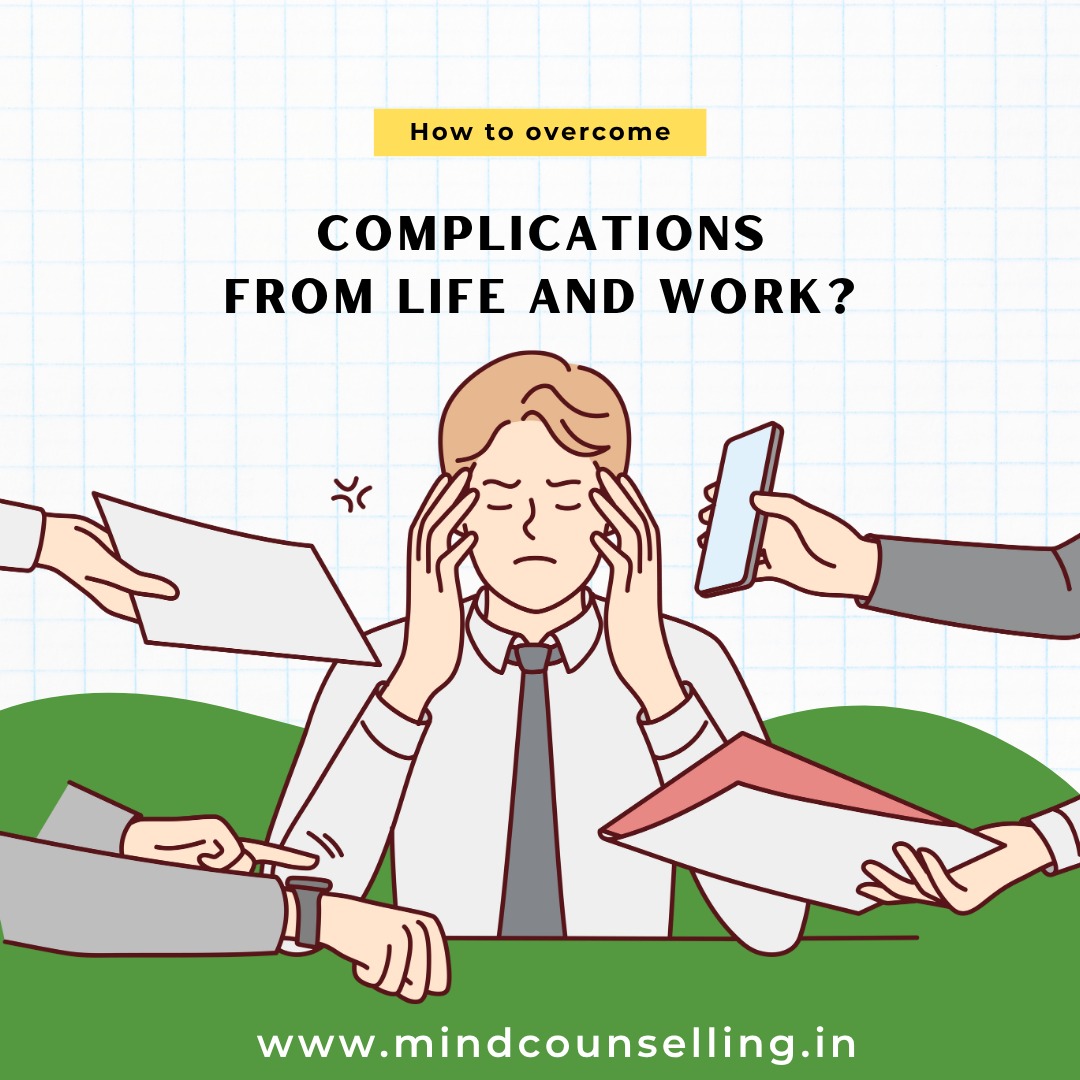
How Counselling Can Help Reduce Stress
- Stress has become part of daily life. Deadlines, financial pressure, family responsibilities, health concerns. It builds quietly, then shows up as irritability, poor sleep, headaches, or constant worry.
- Counselling gives people a structured, supportive space to slow down and deal with stress in a healthier way. It is not just about talking. It is about understanding what is happening beneath the surface and learning how to respond differently.
- Here is how counselling helps reduce stress in practical, lasting ways.
- 1. Identifying the Real Source of Stress
- Many people think they know why they are stressed. Work. Money. Relationships. But often, those are only part of the picture.
- A counsellor helps you:
- Break down specific stress triggers
- Recognize patterns in your reactions
- Separate immediate problems from deeper emotional pressures
- For example, someone may say work is stressful. Through counselling, they may discover that perfectionism or fear of disappointing others is creating most of the pressure. Once identified, that pattern can be addressed.
- Clarity alone reduces stress because it replaces confusion with direction.
- 2. Learning Practical Coping Skills
- Stress does not disappear overnight. But your response to it can change quickly with the right tools.
- Counselling teaches practical skills such as:
- Breathing techniques to calm the nervous system
- Grounding exercises to manage anxiety
- Time management strategies
- Boundary setting in relationships
- Healthier thought patterns
- For instance, cognitive behavioural approaches help people challenge automatic negative thoughts. Instead of thinking, “I’m failing at everything,” a person learns to pause and test that belief against evidence. This shift reduces emotional intensity.
- These skills are not theory. They are exercises you can use daily.
- 3. Providing Emotional Support Without Judgment
- Many people carry stress alone. They worry about burdening friends or being misunderstood. Counselling offers a confidential space where you can speak openly.
- Being heard without interruption or judgment has measurable effects. It lowers emotional tension and increases a sense of control. Sometimes stress escalates simply because feelings have been suppressed for too long.
- When you say things out loud in a safe setting, they often feel more manageable.
- 4. Improving Emotional Regulation
- Stress often triggers strong reactions: anger, panic, withdrawal, overthinking. Counselling helps you notice these reactions before they take over.
- Over time, clients learn to:
- Recognize early signs of overwhelm
- Pause before reacting
- Choose more balanced responses
- This builds emotional regulation. Instead of being controlled by stress, you begin managing it.
- 5. Strengthening Problem-Solving Skills
- Stress grows when problems feel unsolvable. Counselling shifts the focus from rumination to action.
- A counsellor might help you:
- Break large problems into smaller steps
- Evaluate realistic options
- Create an action plan
- Practice assertive communication
- For example, someone overwhelmed by debt may avoid thinking about it. In counselling, they can outline concrete steps: reviewing expenses, contacting financial advisors, creating repayment plans. Structure reduces helplessness.
- 6. Addressing Underlying Issues
- Sometimes stress is not about the present situation. It may connect to past experiences, unresolved trauma, or long-standing self-doubt.
- Counselling helps explore those deeper layers safely. When underlying issues are processed, current stress becomes less intense. You are no longer reacting from old wounds.
- This is often where long-term relief begins.
- 7. Improving Sleep and Physical Health
- Chronic stress affects the body. Muscle tension, digestive issues, headaches, fatigue. Counselling supports healthier routines and stress-reduction habits that improve physical wellbeing.
- Better sleep alone can significantly reduce stress levels. A counsellor may help create realistic bedtime routines or address racing thoughts that interfere with rest.
- Mental and physical health are connected. When one improves, the other often follows.
- 8. Building Long-Term Resilience
- The goal of counselling is not to eliminate all stress. That is impossible. The goal is to increase resilience.
- Resilience means:
- Recovering more quickly after setbacks
- Feeling confident handling challenges
- Maintaining emotional balance during pressure
- Over time, clients often notice they respond differently to situations that once overwhelmed them. The same workload or conflict no longer triggers the same level of distress.
- That shift is resilience in action.
- When Should Someone Consider Counselling for Stress?
- You do not need to wait for a crisis. Counselling may help if you experience:
- Constant worry or racing thoughts
- Difficulty sleeping
- Irritability or mood swings
- Physical tension with no clear cause
- Feeling overwhelmed most days
- Trouble concentrating
- Early support prevents stress from turning into anxiety disorders, depression, or burnout.
- Stress is a normal part of life. Living in constant overwhelm is not.
- Counselling offers more than temporary relief. It provides insight, tools, and structured support that help people respond to stress in healthier ways. With time and consistency, many people find they feel calmer, clearer, and more in control.
- Seeking counselling is not a sign of weakness. It is a practical step toward protecting your mental and physical wellbeing.
Tags: stress management, counselling for stress, mental health support, therapy benefits, coping strategies, emotional wellbeing, anxiety relief, stress reduction techniques, professional counselling, mental health care